
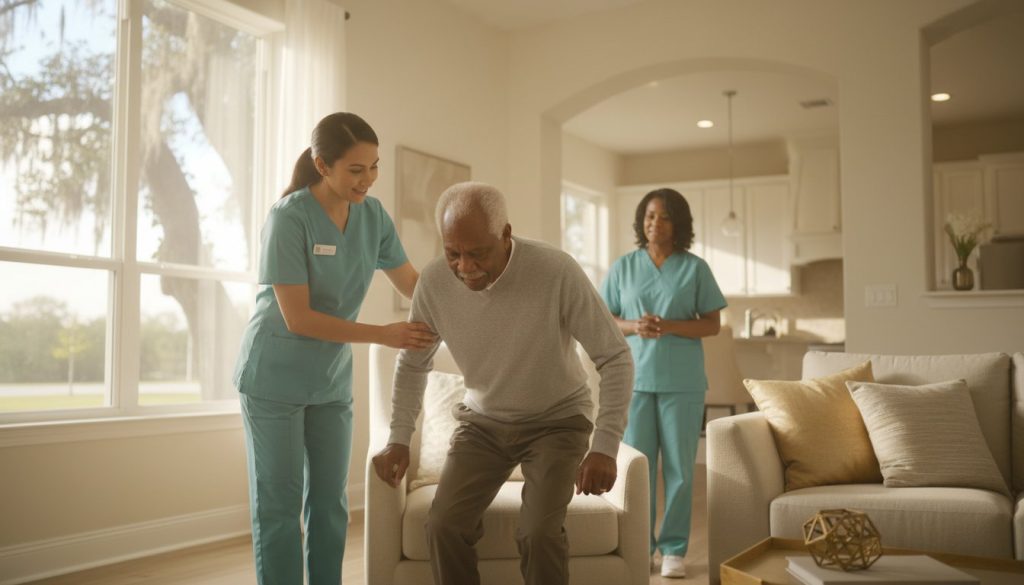
Imagine the quiet tension of an Orlando hospital room as the discharge papers are signed, leaving you to wonder how you’ll manage your loved one’s safety once you cross the threshold of your own front door. It’s a moment defined by both relief and a deep, underlying anxiety about what comes next. Choosing the right stroke recovery home care Orlando offers is about more than just finding help; it’s about reclaiming a sense of stability for your entire family. You shouldn’t have to carry the weight of 24/7 monitoring alone, especially when the fear of a fall or a secondary medical event feels so present.
We understand that the line between clinical therapy and the daily rhythm of personal care often feels blurred and overwhelming. You likely feel exhausted from the constant vigilance required to ensure your parent’s dignity and safety during bathing or morning routines. This guide will help you discover the essential steps to transition safely from a clinical setting to a nurturing home environment, ensuring professional and compassionate support is always within reach. We’ll explore how a dedicated CNA team provides the steady hand needed for mobility and personal hygiene, ultimately giving you the peace of mind to simply be a family member again.
Key Takeaways
- Learn how to navigate the critical first 48 hours after hospital discharge by conducting a comprehensive room-by-room safety audit to prevent falls and adapt for hemiparesis.
- Discover how professional stroke recovery home care Orlando services bridge the gap between clinical therapy and daily living, ensuring every personal care routine supports long-term healing.
- Understand the vital connection between daily personal care routines and neuroplasticity, allowing survivors to rebuild physical independence while maintaining their personal dignity.
- Identify the early warning signs of caregiver burnout and post-stroke depression to protect the emotional well-being of both the survivor and the family support system.
- Explore the benefits of partnering with a dedicated CNA team that acts as a “wise protector,” providing the specialized expertise required for a safe and steady recovery journey.
Navigating the Transition from Orlando Hospitals to Home
The moment you leave the structured environment of a facility like Orlando Health or AdventHealth, the reality of daily management begins to set in. It’s a time of immense transition where the relief of returning home is often met with the daunting realization of 24/7 care needs. High-quality stroke recovery home care Orlando families rely on acts as a vital bridge, transforming a clinical discharge plan into a lived reality of safety and support. While hospital staff focus on stabilizing medical markers, the foundation of a successful recovery at home rests on a holistic support system that prioritizes daily personal care and emotional reassurance.
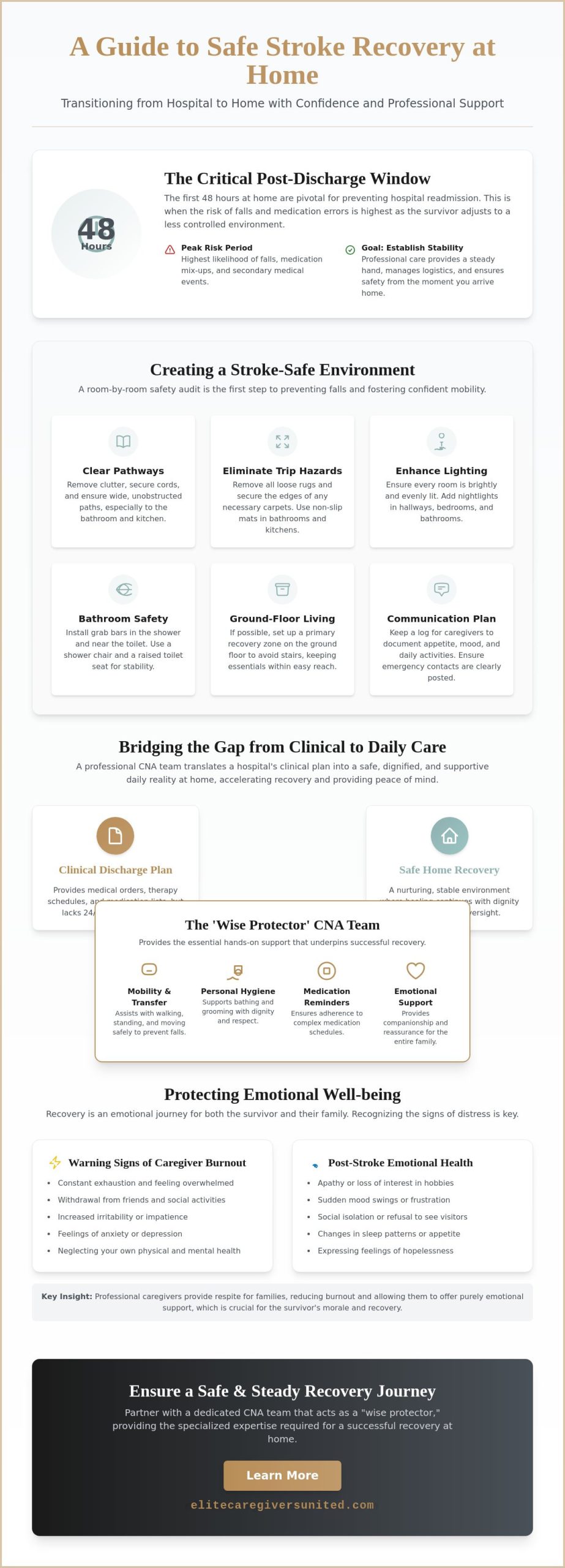
The “First 48” hours after leaving an Orlando rehabilitation facility are the most critical for preventing readmission. During this window, the risk of falls or medication errors is at its peak as the survivor adjusts to a less controlled environment. For a comprehensive overview of stroke recovery, it’s helpful to understand that rehabilitation is a lifelong journey that begins with establishing a secure home base. By coordinating closely with hospital discharge planners, families can ensure that non-medical personal care is ready the moment the car pulls into the driveway, providing a steady presence that allows the survivor to focus on their healing rather than their limitations.
Understanding the Discharge Paperwork
Discharge documents can feel like a foreign language during a period of high stress. It’s essential to distinguish between clinical “orders” for physical therapy and “recommendations” for daily safety and personal care. While therapy sessions may only occur a few times a week, the need for help with mobility and hygiene is constant. Families should advocate for professional support during this initial phase, ensuring they have a clear medication schedule and a list of follow-up appointments at local Orlando clinics. Having a CNA present to manage these logistical details provides a profound sense of relief, allowing you to remain a supportive family member rather than a frazzled administrator.
Preparing for the First Night at Home
Success on the first night depends on preparation and environmental familiarity. Setting up a primary recovery zone on the ground floor helps avoid the danger of stairs and keeps essentials within reach. This space should be organized to promote cognitive recovery by surrounding the survivor with familiar objects that provide comfort and orientation. Establishing a communication log for all visiting caregivers ensures that every detail of the day, from appetite changes to mood shifts, is documented. This methodical approach creates a transparent and nurturing environment, fostering the dignity and vitality necessary for a long-term recovery journey.
Creating a Stroke-Safe Environment: A Home Modification Checklist
Returning to a familiar Orlando residence after a hospital stay is a significant milestone, yet the home must evolve to meet new physical realities. A thorough safety audit is the first step in ensuring that stroke recovery home care Orlando families provide remains a source of healing rather than a source of risk. Safety is the priority. By viewing each room through the lens of a “wise protector,” you can identify subtle hazards that might otherwise go unnoticed during the stress of a medical transition.
A comprehensive safety audit goes beyond merely looking for trip hazards; it involves anticipating how a survivor with limited mobility will interact with their surroundings at 2:00 AM. Many Orlando homes feature expansive ranch-style layouts which, while beneficial for avoiding stairs, often present challenges with slick tile flooring and large, open spaces that lack steady handholds. Eliminating loose rugs and ensuring every high-traffic area is bathed in bright, consistent lighting are simple yet profound acts of protection. Preparation prevents falls. These adjustments foster a sense of calm reliability, allowing the survivor to move with increased confidence.
Following guidelines for evidence-based stroke rehabilitation, the environment must be meticulously adapted for hemiparesis. This one-sided weakness requires a strategic placement of essential equipment like grab bars and bed rails, ensuring they’re accessible from the survivor’s stronger side. By thoughtfully arranging the home, you create a space that encourages vitality and independence rather than reinforcing physical limitations. It’s about building a foundation of trust within the home itself.
The Bathroom: High-Risk Area Management
The bathroom is statistically the most hazardous room for a stroke survivor. Installing non-slip mats and elevated toilet seats is non-negotiable for maintaining dignity and safety. A professional CNA team provides the physical stability needed during these vulnerable moments, supervising safe transfers to the shower while ensuring hygiene supplies are positioned for easy one-handed access. This level of attentive care alleviates the emotional weight often felt by family members during personal care routines.
The Bedroom and Living Areas
Optimizing bed height is vital for safe transfers to a wheelchair or walker, especially since Medicare Part B typically covers 80% of the cost for such durable medical equipment. Removing area rugs and securing loose electrical cords creates “clear paths” of at least 32 inches, providing the space required for mobility aids to move freely. Clear paths save lives. These deliberate changes ensure the home remains a nurturing sanctuary focused on steady, long-term recovery.
Supporting Daily Living: How Professional CNA Care Accelerates Recovery
While intensive therapy sessions are vital for regaining specific functions, the true work of healing often happens in the quiet hours between clinical appointments. High-quality stroke recovery home care Orlando families choose focuses on the “other 22 hours” of the day when the survivor is not in active therapy. It’s during these routine moments—waking up, dressing, and sharing a meal—that the brain begins the arduous process of neuroplasticity. Every small, intentional movement involved in daily living serves as a building block for long-term independence, provided the survivor has the right support to perform these tasks safely and with dignity.
Activities of Daily Living, or ADLs, are far more than just personal chores; they’re essential exercises that help the nervous system reorganize itself. According to the NIH stroke recovery guide, consistent engagement in daily routines is a cornerstone of a successful rehabilitation journey. This is where professional CNA home care Orlando residents rely on provides a profound advantage. A trained caregiver acts as a “wise protector,” offering just enough assistance to ensure safety while encouraging the survivor to do as much as they can for themselves. This delicate balance protects the survivor’s dignity and prevents the emotional weight of feeling like a burden to their family.
Beyond physical assistance, a dedicated CNA provides a vigilant eye for complications that might otherwise go unnoticed. They monitor for “silent” issues such as skin breakdown from prolonged sitting or dehydration, which can lead to confusion and fatigue. By maintaining a steady, nurturing presence, caregivers ensure that the survivor’s environment remains a place of vitality and growth. This proactive approach allows families to breathe easier, knowing that their loved one’s daily needs are being met with professional warmth and high standards of service.
Nutritional Support and Aspiration Prevention
Safe eating is a primary concern for many survivors, especially those experiencing dysphagia or swallowing difficulties. Caregivers provide essential supervision during meals, ensuring that fluid consistency orders are followed precisely to prevent aspiration. By preparing nutrient-dense meals that support brain health and encouraging hydration throughout the day, they help maintain the energy levels required for active participation in recovery. This focused attention on nutrition fosters a sense of holistic well-being and physical strength.
Mobility and Range of Motion Support
Maintaining physical flexibility is crucial for preventing joint stiffness and muscle atrophy. While our team does not perform clinical therapy, we provide vital assistance with “home exercise programs” that have been previously prescribed by physical therapists. Using safe transfer techniques, we help prevent injuries to both the survivor and the family caregiver. Encouraging frequent position changes and assisting with gentle range-of-motion movements ensures that skin integrity is maintained, supporting a steady and comfortable recovery process at home.
Managing the Emotional Journey and Avoiding Caregiver Burnout
The journey of recovery extends far beyond physical rehabilitation, often touching the deepest emotional layers of a family’s daily life. For many in our community, the weight of constant vigilance can lead to “caregiver syndrome,” a state of physical and emotional exhaustion that jeopardizes the health of the very person providing support. Recognizing these signs early is a profound act of love, ensuring that the home remains a place of healing rather than a source of stress. High-quality stroke recovery home care Orlando families trust provides the necessary buffer, allowing you to focus on your relationship with your loved one while professional hands manage the rigorous demands of daily monitoring.
A stroke can significantly alter a survivor’s personality and mood, frequently leading to post-stroke depression or sudden emotional shifts that leave families feeling disconnected. Understanding these psychological changes is essential for maintaining a nurturing environment. Many of the specialized respite care for dementia patients Orlando principles, such as patience and redirected engagement, are highly effective when applied to stroke survivors. By integrating these strategies, we help bridge the gap between the person they were and the person they are becoming, fostering a sense of continuity and peace of mind for everyone involved.
The Role of Respite Care in Long-Term Recovery
Building a sustainable care schedule is not a luxury; it’s a requirement for high-quality, long-term support. Utilizing hourly or overnight assistance ensures that family members can achieve the restorative sleep necessary to remain present and compassionate during the day. A professional caregiver brings a “fresh set of eyes” to the home, often noticing subtle improvements or new challenges that a tired family member might overlook. Normalizing the need for a break allows you to recharge your own vitality, ensuring the quality of care never wavers. Protecting your own well-being is the best way to protect theirs. Explore how our professional respite care can restore balance to your home today.
Fostering Independence and Social Connection
Recovery flourishes when a survivor feels a sense of purpose and connection to their Orlando community. We encourage survivors to perform small, safe tasks that rebuild their confidence, transforming daily routines into milestones of success. Preventing isolation is key to avoiding cognitive decline, which is why companionship is woven into every interaction we provide. By helping your loved one integrate back into family traditions and local life, we ensure they remain a vibrant part of the world around them, moving forward with dignity and hope.
Why Elite Caregivers United LLC is the Choice for Stroke Recovery in Orlando
Choosing a partner for stroke recovery home care Orlando families need is a decision that shapes the entire healing experience for both the survivor and their loved ones. Elite Caregivers United LLC steps into this role as a “wise protector,” offering a steady, guiding presence that feels like a natural extension of your own family support system. We understand that recovery is not just about physical tasks; it’s about restoring a sense of safety, confidence, and comfort within the home. By providing a foundation of calm reliability and heartfelt dedication, we help alleviate the emotional weight that often follows a major medical event.
The Elite difference is rooted in our high standards of service. Every member of our dedicated team is a trained CNA, ensuring that the care provided meets a sophisticated level of professional expertise and recovery knowledge. This background allows us to implement specialized stroke-recovery protocols that prioritize safety and dignity at every turn. Whether your loved one requires 24 Hours Home Care or a more flexible schedule that fits your specific needs, our approach is always tailored to the unique rhythms of Orlando life. Our deep experience in home care after surgery informs our methodical, thorough approach to post-stroke management, ensuring no detail of the recovery plan is overlooked.
A Team Approach to Holistic Well-being
We believe that clear, consistent communication is the heartbeat of high-quality care. Our team works in harmony with your medical providers and family members, ensuring that everyone remains informed and aligned with the survivor’s progress. We’re deeply committed to fostering dignity and vitality, moving at a pace that suggests patience and careful consideration for the survivor’s unique journey. Our CNA-led care serves as the gold standard for non-medical home care Orlando families rely on for a stable and nurturing experience in Central Florida.
Getting Started with Elite Care
Beginning your journey with Elite Caregivers United LLC is a simple, supportive process that starts with an initial in-home assessment. This meeting allows us to understand the specific physical needs and the personality of your loved one, ensuring we match them with a caregiver who feels like a true companion. We offer flexible scheduling that evolves alongside your loved one’s improvements, providing the right level of support at exactly the right time. Our goal is to provide the peace of mind that comes from knowing a skilled, empathetic protector is always by their side, guiding them toward a future of renewed independence. For families who also need to travel for medical consultations or simply require a break, our trusted house sitting services Orlando families rely on ensures your property remains secure and well-monitored while you focus on what matters most.
Embracing a Path of Renewed Hope and Safety
The journey of healing after a stroke is a profound transformation that requires both specialized skill and a compassionate heart. By securing the home environment and prioritizing professional personal care, you lay the groundwork for a recovery defined by dignity rather than fear. It’s essential to remember that you don’t have to navigate this transition alone. Reclaiming your role as a supportive family member while a “wise protector” manages the daily vigilance of stroke recovery home care Orlando families need is the first step toward long-term stability.
Elite Caregivers United LLC stands ready to support your family as a Licensed Florida Home Health Agency. Our professional CNA-led team provides the consistent, high-standard support your loved one deserves, offering everything from 24/7 Respite and Recovery Support to personalized daily assistance. We focus on providing a nurturing environment where vitality can flourish once more. Contact Elite Caregivers United LLC for a Compassionate Stroke Recovery Assessment to discover how we can help you build a safe, fall-free home today. You’ve already taken the most important step by seeking information; let us help you carry the rest of the weight with grace and expertise.
Frequently Asked Questions
Is home care for stroke survivors in Orlando covered by insurance?
Most standard health insurance plans and Medicare don’t cover non-medical personal care, though they may cover short-term clinical services like physical therapy. Families often utilize long-term care insurance or private pay options to secure the consistent, daily support necessary for a safe recovery at home. It’s best to review your specific policy or check with a representative to understand which daily living services are included in your coverage.
What is the difference between home health and home care after a stroke?
Home health focuses on clinical procedures and skilled nursing, while stroke recovery home care Orlando families choose provides essential support for activities of daily living and personal hygiene. Our CNA-led team acts as a bridge between medical appointments, ensuring the survivor’s dignity and safety are maintained through help with bathing, dressing, and mobility. This non-medical home care Orlando families depend on is vital for creating a stable environment where clinical therapy can be more effective.
Can a CNA help with physical therapy exercises at home?
While our caregivers don’t perform clinical physical therapy, they’re highly skilled at assisting survivors with home exercise programs that have been previously prescribed by a licensed therapist. This consistent support helps maintain range of motion and prevents joint stiffness between formal therapy sessions. By providing a steady hand during these movements, a CNA ensures that the survivor performs their daily exercises safely and with confidence.
How many hours of care are typically needed for a stroke survivor?
The level of support required varies based on the survivor’s mobility and the presence of complications like hemiparesis, often requiring 24-hour care during the initial transition from an Orlando hospital. As the individual regains their vitality and strength, many families choose to adjust their schedule to include specific blocks of respite care or overnight monitoring. We work with you to create a personalized plan that evolves alongside your loved one’s progress.
What should I do if my loved one refuses help from a caregiver?
It’s natural for a survivor to feel a sense of loss regarding their independence, so we suggest introducing professional support gradually to build a foundation of trust. We focus on matching the right caregiver personality to your loved one, positioning the professional as a “wise protector” who helps them achieve their own goals. This empathetic approach often alleviates the survivor’s anxiety, helping them see the caregiver as a partner in their recovery journey.
Are your caregivers in Orlando trained specifically for stroke recovery?
Every member of our team is a trained CNA who possesses the specialized expertise required to manage the unique physical and emotional challenges of stroke recovery. This professional background allows them to provide a higher standard of care, from monitoring skin integrity to assisting with specialized meal preparation for those with swallowing difficulties. Our caregivers are dedicated to providing a nurturing experience that focuses on the survivor’s holistic well-being and long-term growth.
How quickly can Elite Caregivers United LLC start providing support?
We recommend reaching out as soon as a discharge date from a facility like Orlando Health is anticipated to ensure a seamless transition to the home. While we move with quiet confidence to assist families in need, starting the assessment process early allows us to carefully coordinate every detail of the care plan. This proactive approach ensures that professional support is ready the moment your loved one crosses the threshold of their home.
Can a caregiver help with transportation to follow-up appointments in Orlando?
Yes, our caregivers provide reliable assistance with transportation and mobility for follow-up medical appointments across the Central Florida area. This service ensures the survivor can attend essential check-ups safely while providing family members with the peace of mind that their loved one is being cared for by a professional. Having a steady, guiding presence during these outings helps maintain a sense of calm and reliability throughout the recovery process.