

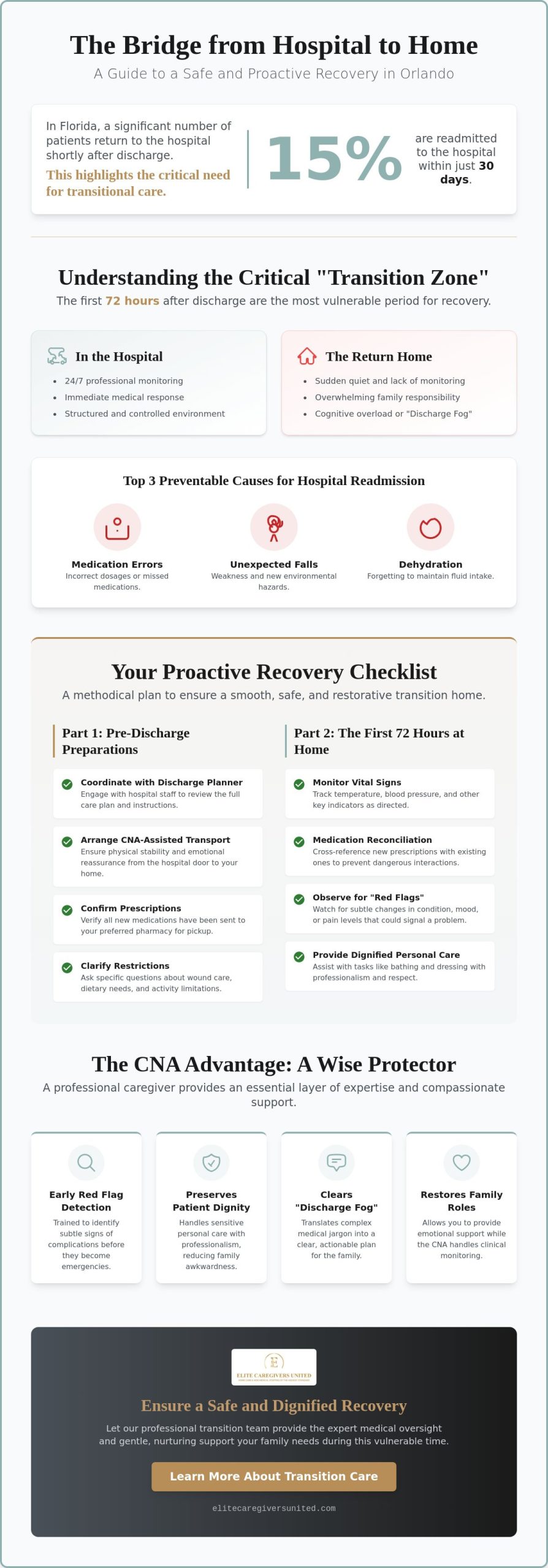
Did you know that in Florida, over 15 percent of patients discharged from the hospital find themselves back in a clinical setting within just 30 days? This statistic highlights the profound anxiety many families feel when they trade the constant monitoring of a medical facility for the quiet, often overwhelming reality of recovery at home. You aren’t alone in feeling exhausted by the weight of this responsibility, especially when navigating the fear of medication errors or the sudden risk of a fall during those first vulnerable nights. We understand that you want nothing more than a steady, guiding presence to ensure your loved one’s safety and vitality during this delicate time.
By utilizing our comprehensive 2026 safety checklist for hospital to home transition care Orlando, you can ensure a proactive and restorative recovery process that prioritizes both health and comfort. This guide provides a methodical overview of the discharge journey, detailing how professional monitoring and attentive personal care can prevent unnecessary hospital readmissions while protecting your loved one’s dignity and your own peace of mind.
Key Takeaways
- Discover why the first 72 hours are defined as the high-risk “Transition Zone” and how targeted support during this window can safeguard against common recovery setbacks.
- Master the pre-discharge process by coordinating essential logistics and reviewing final clinical summaries to ensure a smooth transition from the hospital bedside to the comfort of home.
- Implement a granular 72-hour recovery plan through hospital to home transition care Orlando, focusing on vital sign monitoring and medication reconciliation to maintain stability.
- Learn how the specialized expertise of a professional CNA helps in identifying subtle “red flags” early, providing an authoritative layer of protection for your loved one.
- Explore the value of a professional transition team that balances expert medical oversight with the gentle, nurturing support your family needs during a vulnerable time.
Understanding the Critical 72-Hour Transition Window
The moment a patient leaves the clinical halls of an Orlando medical facility, they enter what experts call the “Transition Zone.” This period, typically the first 72 hours following discharge, represents a high-risk window where the body and mind are most vulnerable to setbacks. While in the hospital, patients are enveloped in a cocoon of 24/7 monitoring; however, the transition to the sudden silence of home can be jarring and physically demanding. In Florida, hospital readmission rates remain high, often exceeding 15 percent, with the majority of these returns occurring within those first three days. This is why Transitional care isn’t just a luxury; it’s a vital safety net that bridges the gap between professional medical oversight and independent living.
A successful recovery requires a shift from passive observation to proactive recovery. Rather than simply waiting for symptoms to appear, a proactive approach involves anticipating needs, managing medications with precision, and ensuring the home environment is optimized for healing. When you choose hospital to home transition care Orlando, you’re placing a steady, guiding presence at your loved one’s side to navigate this delicate “dip” in their recovery journey.
Why Orlando Families Struggle with Discharge Logistics
The Central Florida healthcare landscape, anchored by major systems like AdventHealth and Orlando Health, is incredibly complex. Families often find themselves in a “Discharge Fog,” a state of cognitive overload where retaining detailed medical instructions becomes nearly impossible under the stress of a loved one’s illness. This confusion is compounded for those visiting our city for specialized procedures, as they lack their usual support networks. Utilizing professional home care after surgery helps clear this fog by translating clinical jargon into a clear, actionable plan for the household.
The Goal: Preventing Readmission and Promoting Dignity
The primary causes for returning to the hospital are often preventable: medication errors, unexpected falls, and dehydration. A dedicated caregiver acts as a “wise protector,” maintaining a watchful eye to catch these red flags before they escalate into emergencies. Beyond physical safety, professional support preserves a patient’s dignity. Tasks like bathing or dressing during the vulnerable recovery window can feel demoralizing when handled by family members. A professional CNA provides this personal care with a balance of formal respect and genuine human kindness, allowing family members to remain as a source of emotional comfort rather than becoming exhausted clinical monitors.
The Pre-Discharge Checklist: Setting the Stage for Success
The journey toward a peaceful recovery begins long before the hospital doors open for your departure. While the prospect of returning to familiar surroundings is comforting, the logistical complexity of leaving a medical facility often creates a sense of overwhelm for families. By establishing a structured plan for hospital to home transition care Orlando, you can transform a chaotic discharge into a steady, guided experience that prioritizes safety from the very first mile. This preparation serves as the foundation for vitality, ensuring that the transition is not just a change of location, but a continuation of high-quality care.
To ensure no detail is overlooked, families should consult a formal Discharge Planning Checklist, which helps in organizing the myriad of instructions provided by the clinical team. You should verify the exact discharge time and arrange for CNA-assisted transport. Unlike a standard ride, a professional caregiver provides physical stability and emotional reassurance during the transition. You’ll also want to confirm that all new prescriptions have been electronically sent to your local Orlando pharmacy, ensuring that pain management or antibiotics are ready for pickup before you even arrive home.
Coordinating with Hospital Discharge Planners
Engaging with discharge planners requires a proactive mindset. You’ll want to ask the nursing staff specific questions about wound care or activity limitations, especially if you’re managing post-cosmetic surgery recovery where specialized restrictions apply. Always ensure you have a physical copy of the After Visit Summary (AVS). This document serves as the essential roadmap for your home care routine, detailing everything from dietary changes to scheduled follow-up appointments with your surgeon.
Home Environment Safety Audit
A safe home is one that anticipates the patient’s temporary limitations. This means removing decorative throw rugs that pose trip hazards and ensuring high-traffic pathways are clear of loose cords. If stairs present a challenge, setting up a ground-floor recovery station with a comfortable bed and easy access to essentials can prevent overexertion. Adequate lighting is also a necessity for nighttime safety. If these preparations feel daunting, inviting a professional care team to assist with the setup can provide the quiet confidence you need to focus entirely on your loved one’s healing.
The First 72 Hours: A Granular Recovery Checklist
The threshold of the home marks the beginning of a truly restorative journey. While the hospital provides the initial stabilization, the first 72 hours in your own environment require a methodical approach to ensure the progress made isn’t lost. This timeframe is often where the most significant challenges arise, making hospital to home transition care Orlando a cornerstone of a safe return. By following a granular, day-by-day protocol, you transform a period of uncertainty into a structured path toward renewed health and vitality.
Upon immediate arrival, the priority is medication reconciliation and a comprehensive hydration check. It’s common for discharge instructions to include new prescriptions that may interact with existing ones. Within the first 24 hours, establishing a rhythmic routine for vital sign monitoring and comfort management is essential. This steady monitoring provides an early warning system, allowing for calm intervention before minor issues become clinical emergencies. We focus on creating an atmosphere of quiet confidence where the patient feels supported and secure.
Day 2 often brings what caregivers call the “Critical Dip,” a period where the initial adrenaline of returning home fades and the body’s inflammatory response to surgery or illness peaks. This is the most crucial time to monitor for signs of infection, such as localized redness, unusual warmth, or a low-grade fever. By Day 3, the focus shifts toward sustainable daily living. We encourage light mobility exercises, such as short walks across the room, to promote circulation and prevent the stiffness that often follows prolonged bed rest. Throughout this entire window, maintaining a detailed care log is vital for providing your follow-up physician with an accurate picture of the recovery process.
Medication Management and Compliance
Creating a clear, visual medication schedule that mirrors the hospital’s final instructions is a protective measure against errors. We emphasize the use of gentle reminders to prevent the stress of missed doses or the danger of accidental double-dosing. For those recovering from specialized procedures, such as BBL recovery care, managing pain and inflammation requires specific positioning and timing to protect the surgical results while maintaining comfort and dignity.
Nutritional Support and Hydration
Healing requires fuel, yet post-hospitalization appetite can be suppressed. Preparing light, nutrient-dense meals like bone broths or protein-rich purees supports tissue repair without taxing the digestive system. Monitoring fluid intake is equally critical to prevent dehydration-related dizziness, which is a leading cause of falls in the home. Whether managing a low-sodium diet or a diabetic-friendly plan, our approach ensures that every meal contributes to your loved one’s strength and long-term well-being.
The CNA Advantage: Why Professional Expertise Matters
While companionship is a beautiful aspect of recovery, the technical demands of hospital to home transition care Orlando often require a higher level of skilled observation. In Florida, a Certified Nursing Assistant (CNA) undergoes rigorous training and state-mandated testing that prepares them for more than just basic assistance. As of April 2026, the Agency for Health Care Administration (AHCA) has further refined these training requirements to ensure caregivers are equipped with the expanded skills necessary to support medically fragile patients. This certification represents a bridge between the hospital’s clinical team and the patient’s home life, bringing a level of quiet confidence that only comes from professional expertise.
A CNA is trained to see what an untrained eye might miss. They recognize early clinical “red flags,” such as subtle changes in respiratory rate or skin color, before these symptoms escalate into full-blown emergencies. This proactive stance is vital during the Transition Zone, where the risk of readmission is highest. Additionally, they utilize professional transfer techniques, employing proper body mechanics to safely move patients from a bed to a chair. This expertise prevents common injuries, such as skin tears for the patient or debilitating back strain for the family caregiver, ensuring that the physical environment remains a place of healing rather than hazard.
Beyond Companionship: Clinical Observation
The role of a CNA involves constant, silent assessment. They are vigilant for signs of Deep Vein Thrombosis (DVT) or pulmonary embolism, which are significant risks following major surgery. By monitoring incision sites for warmth, unusual drainage, or redness, they ensure that the surgical work is protected and healing correctly. Every observation is meticulously documented in professional charting; this provides an authoritative and clear record for the surgeon to review during the follow-up visit, bridging the communication gap that often leads to readmission.
Respite for the Family: Healing the Support System
One of the most profound gifts professional care offers is the restoration of family dynamics. When a CNA manages the complex requirements of mommy makeover recovery care or post-stroke assistance, family members are released from the burden of acting as medical monitors. This reduces the emotional burnout that often follows a high-stakes hospital stay, allowing a daughter to be a daughter and a spouse to be a spouse. By entrusting the physical recovery to a “wise protector,” you provide the space for the entire family unit to heal together. If you’re ready to secure a safe and dignified recovery for your loved one, connect with our professional CNA team today to discuss your transition plan.
Choosing Elite Caregivers United for Your Orlando Transition
Choosing Elite Caregivers United means choosing a partner who understands that recovery isn’t just about physical healing; it’s about reclaiming a sense of security and peace. Our commitment to providing premier hospital to home transition care Orlando is reflected in our 24/7 “ready-to-respond” team, ensuring that you’re never left to navigate the complexities of discharge alone. We believe that every patient deserves a steady, guiding presence from the moment they leave the hospital curb until they’re safely settled in their own bedroom. This dedicated support transforms a period of high anxiety into a structured, calm experience focused entirely on your loved one’s vitality and long-term well-being.
The “Elite Difference” is rooted in our unwavering standard that every transition is led by a professional CNA. Unlike services that provide general companionship, our team brings the clinical intuition and technical skill necessary to manage the delicate 72-hour transition window with precision. We don’t believe in one-size-fits-all solutions. Instead, we craft tailored recovery plans that respect the unique physical and emotional needs of every individual, ensuring that dignity and comfort are preserved at every stage of the journey. Our caregivers act as a “wise protector,” balancing a high level of expertise with the humility and patience of a dedicated family extension.
Our Local Orlando Expertise
Our deep roots in the Central Florida community allow us to navigate the specific discharge protocols of major systems like Orlando Health and AdventHealth with professional ease. We understand the nuances of local surgical centers and maintain a robust network of resources for medical equipment and supplies, ensuring that your home is fully prepared before you arrive. Our dedicated team provides localized coverage across the Kirkman Rd area and the greater Orlando region, bringing expert care directly to your doorstep. By understanding the local landscape, we can anticipate delays and resolve logistical hurdles before they impact your loved one’s comfort.
Getting Started: Your Peace of Mind Begins Here
Your journey toward peace of mind begins with a simple, supportive consultation designed to alleviate the stress of the unknown. We take the lead in coordinating directly with your hospital discharge team, reviewing clinical summaries and medication lists to ensure a seamless handoff. This proactive collaboration removes the burden of complex logistics from your shoulders, allowing you to focus on what truly matters: being present for your family. We move at a pace that suggests patience and careful consideration, ensuring every detail of the safety checklist is met. When you’re ready to secure a safe, proactive recovery, contact Elite Caregivers United for a safe transition home and experience the reassurance of professional, heartfelt care.
Embracing a Restorative Path to Home
Navigating the delicate transition from a clinical environment to the comfort of your own living room doesn’t have to be a journey defined by anxiety. By understanding the high-risk 72-hour window and implementing a structured safety checklist, you’re laying the foundation for a recovery rooted in vitality and peace. Whether you’re managing the complexities of post-surgical healing or the specific requirements of stroke and cancer recovery, having a professional partner ensures that every subtle change in health is met with expert attention and quiet confidence.
Our CNA-led professional care team is available 24/7 to provide immediate discharge support, acting as a steady extension of your family’s love. We specialize in comprehensive hospital to home transition care Orlando, offering the technical skill and heartfelt dedication needed to prevent setbacks while preserving your loved one’s dignity. You’ve already taken the first step by educating yourself on the safest protocols for the year ahead. Now, let us help you carry that burden with the grace and expertise your family deserves. Secure Your Safe Transition Home with Elite Caregivers United and step forward into a future of healing and renewed strength.
Frequently Asked Questions
What is the difference between transitional care and home health care?
Transitional care focuses on the immediate logistical and safety needs of moving between a hospital and the home, while home health care typically involves clinical procedures like physical therapy or skilled nursing. Our services bridge the gap by providing personal care and monitoring during the first vulnerable days of recovery, ensuring that the transition is smooth and that your loved one remains stable in their familiar environment. We focus on the daily living support and safety protocols that prevent readmission rather than clinical medical treatments.
Can transition care begin the same day as hospital discharge in Orlando?
Yes, our transition care can begin the very moment you are ready to leave the hospital curb. We maintain a 24/7 “ready-to-respond” team to ensure that a professional CNA is available to assist with transportation and the initial home setup as soon as the discharge papers are signed. This immediate support is vital for establishing a safe routine during those first few hours when the risk of confusion or medication errors is highest.
How long does hospital to home transition care typically last?
While the most critical phase is the first 72 hours, hospital to home transition care Orlando often extends for several weeks to ensure a full return to vitality. The duration depends entirely on your loved one’s unique recovery path, whether they are navigating a short-term surgery recovery or a more complex journey following a stroke. We work with you to adjust the level of care as your loved one regains their independence and strength.
Does insurance or Medicare cover non-medical transition care services?
Medicare often reimburses physicians for Transitional Care Management (TCM) services, such as CPT codes 99495 and 99496, which involve office visits within 7 to 14 days of discharge. However, non-medical personal care services are typically covered through long-term care insurance or private pay arrangements. It’s helpful to review your specific policy to understand how it supports the non-clinical aspects of your recovery journey, such as assistance with bathing and medication reminders.
What happens if my loved one needs to go back to the hospital?
If a caregiver identifies a clinical red flag that requires medical attention, they immediately coordinate with emergency services and your family to ensure a safe return to the hospital. Our proactive monitoring is designed to catch these issues early, but your loved one’s safety is always our first priority. We remain a steady, guiding presence throughout the process, providing the necessary documentation to help the hospital team understand what occurred at home.
Is a CNA required for post-surgery transition care at home?
While basic companionship doesn’t legally require a certification, having a CNA is highly recommended for post-surgery care due to their specialized training in safety and red-flag recognition. Our team relies on CNAs because they understand the technical nuances of safe transfer techniques and professional charting, providing a level of protection that goes beyond simple observation. This expertise is especially important during hospital to home transition care Orlando where physical stability is often compromised.
How do you coordinate with my surgeon or primary doctor?
We coordinate with your medical team by meticulously reviewing the After Visit Summary (AVS) and maintaining professional care logs that your surgeon can review during follow-up visits. This ensures that the clinical instructions provided at the hospital are carried out with precision in the home setting. By acting as a reliable extension of the clinical team, we help ensure that your doctor has an accurate picture of your recovery progress between appointments.
Can you provide transition care for out-of-town patients visiting Orlando for surgery?
We frequently provide transition care for out-of-town patients who travel to Central Florida for specialized medical procedures or cosmetic surgery. Whether you are staying in a local hotel or a vacation rental, our caregivers provide a steady, guiding presence to ensure your recovery is safe and dignified before you return home. This service allows patients to access Orlando’s world-class surgeons with the peace of mind that their immediate post-operative needs are professionally managed.